February and March see first signs of spring, as the weather warms and days lengthen wildlife becomes more active, but unpredictable warm snaps encouraging emergence and breeding can be interrupted by a sudden freeze. Wild food is still hard to find, berries and nuts are mostly gone and insects, slugs, worms may still be hiding.
What to look out for
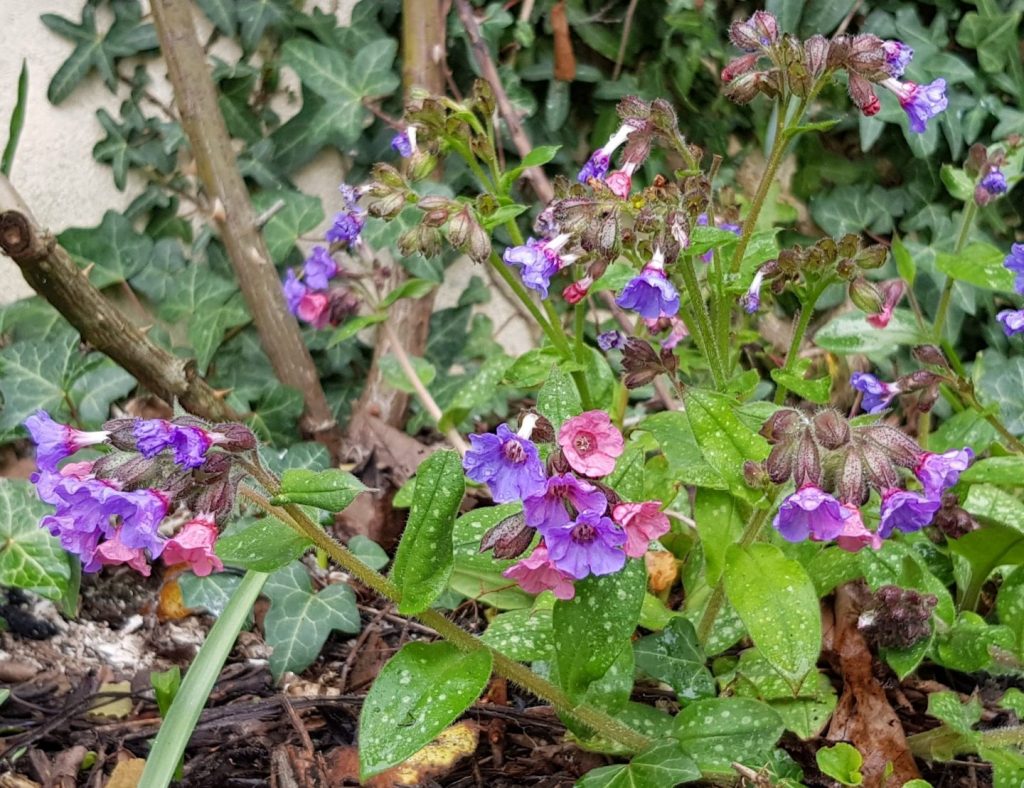
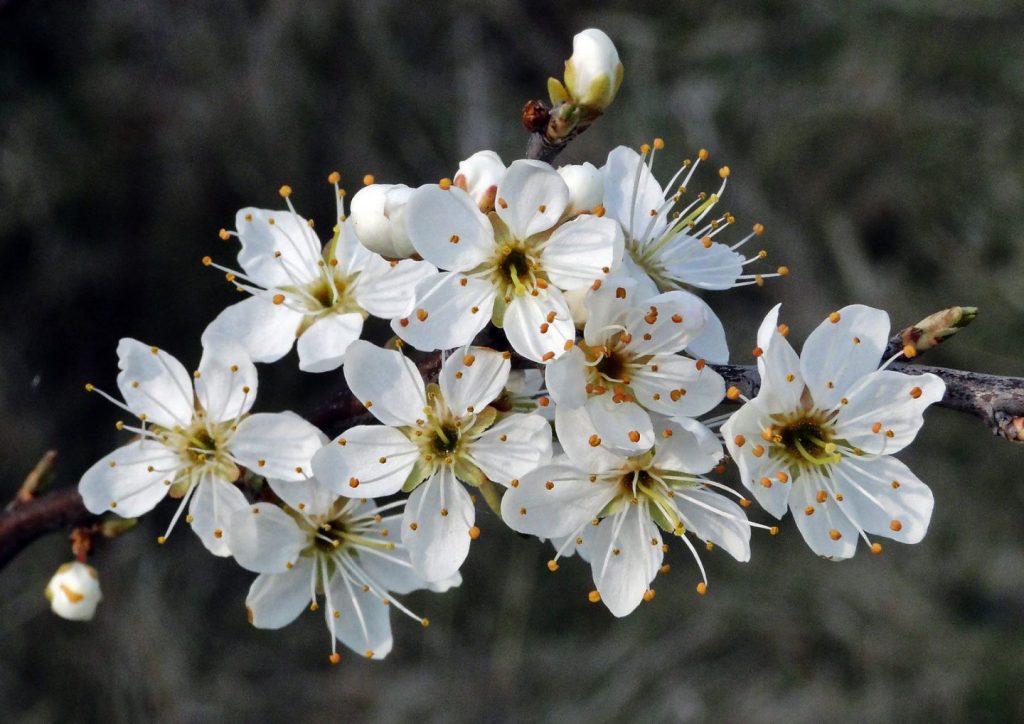
Wildflowers out now include primroses, violets, lesser celandines, wood anemones and the lush leaves of cuckoo pint are unfurling. Willow catkins/pussy willow and blackthorn blossom are out. In my garden hellebores, lungwort (Pulmonaria), winter honeysuckle and crocuses provide for early pollinators.
Song thrush, robin, wren, blackbird, chaffinches are singing now and greater spotted woodpeckers are drumming, as another breeding cycle begins. Winter migrants – redwings, fieldfare and bramblings often put in an appearance in gardens, preparing to return to breed in forests in Scandinavia and Russia in April. Frogs are well through spawning by now but newts and toads are a bit later. At night, listen for frogs and toads in ponds and torch for newts. If you’re very lucky, a grass snake or slowworm might be seen sunbathing on a sunny sheltered bank if you’re quiet as they are very sensitive to vibration from footsteps. Look out for hedgehogs and even bats if the weather warms.
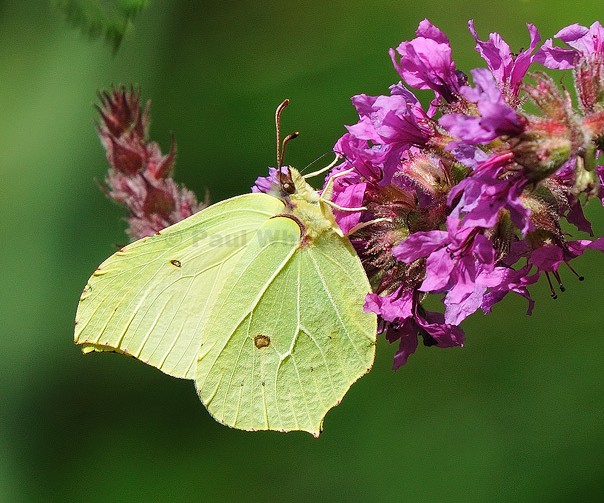
On warm days hibernating butterflies might be roused – commas, small tortoiseshells, peacocks and brimstones. A few red admirals overwinter but most are migrants and fly in from Europe from April. Buff-tailed bumblebee queens are first to appear but are joined by the early bumblebee now and honeybees are around even on colder days along with various solitary bees, some resembling small honeybees.
Climate change is making weather erratic and extreme, impacting garden wildlife in winter/spring. Normally wildlife works in synchrony with season changes eg. great tits breed to coincide with a glut of moth caterpillars in spring, but this synchrony is breaking down. Plants and animals have a capacity to adapt to environmental changes if progressive and predictable but short term weather chaos could be disastrous.
Things to do (and not do)
Plant nectar and pollen sources for bees, hoverflies and other pollinators. Don’t forget when choosing this year’s plants that single flowers are best for pollinators. Now’s the best time for removing last year’s dead plant growth and mulching borders. Minimise disturbance of sheltering areas like composts and leafpiles, and don’t disturb ponds as amphibia are mating and spawning now.
If you haven’t already, put up bird boxes, bee homes, build a pond and make log/twig piles. Female birds developing eggs and growing chicks need protein rich food especially mealworms, sunflower chips or peanuts in a net. Why not provide wool for nest-lining and oyster grit for strong eggshell. It’s OK to keep on feeding fats but stop by the end of March as breeding starts – you wouldn’t feed your baby on lard would you? Watch out for wildlife hazards such as loose netting, a danger for snakes, slowworms and young birds. Uncovered drains can be a trap for amphibia, beetles and other small animals. Not to mention hunting cats!
Wildlife Plant of the Month – Pulmonaria or lungwort is a European member of the Borage family. It is a lovely plant with its spotted leaves and clusters of red to blue tubular flowers and is a very early nectar source valued by both queen bumblebees and early solitary bees, including one of my favourites, the hairy-footed flower bee. Its easy to grow in shade or sun’ planted among your other flowers in borders and rockeries. In fact several other relatives are great for pollinators later in the year – borage, comfrey, bugloss, cerinthe.