Through December and January, insects are hard to find so many birds depend on berries and other fruit. Insects survive winter in various ways. Most species overwinter as eggs or pupae. Some butterflies (brimstones, comma, peacock, small tortoiseshell, red admiral) and queen bumblebees slow down metabolism and enter a dormant state called diapause. If the weather warms they may become active and visit winter nectar sources like Vibernum tinus, snowdrops, crocuses and hellebores. In the south buff-tailed bumblebees are active much of the winter at winter flowers, along with honeybees. A few species are active during winter using antifreeze substances in their blood eg. some moths, winter gnats. These non-biting, winter gnats of various species form dancing, mating swarms in winter sunspots even when there’s snow on the ground. Their larvae feed on rotting vegetable matter.
During winter frogs, toads and newts seek out shelter under logs, plant roots, compost heaps or holes though some frogs overwinter in mud at the bottom of ponds. Again amphibians may become active and go in search of worms, slugs and the like during warmer spells.
What to look out and listen for
Mild winter days might bring out hedgehogs or even bats from hibernation. For bats particularly these false starts aren’t helpful as they rarely find food to replace energy used up during their mistimed emergence, so they return to hibernation in a weakened state. In the case of hedgehogs you could offer them some dog food and tepid water to help them along. Sunny days might be greeted by bird song especially from wren, robin, great tits, thrushes.
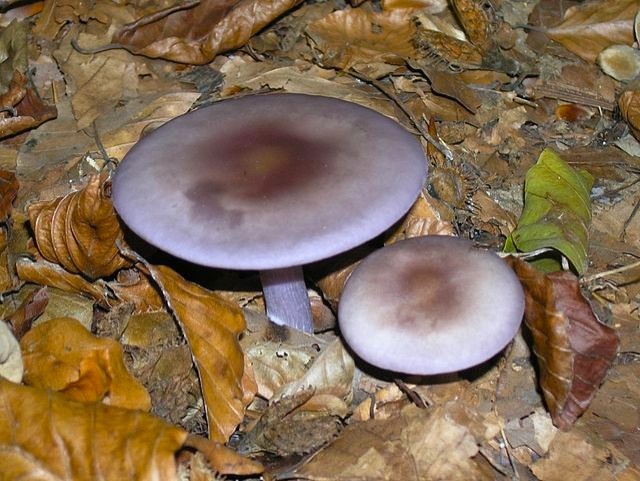
Though late summer and autumn are peak periods for fungi, there are plenty still around if short grass hasn’t been treated with chemicals. I’m lucky to have delicious wood blewits appearing in my garden in December.
Things to do (and not do)
Now’s the time to feed fats to birds, as well as other food. Young birds can die when weather turns harsh. Just think, a pair of Blue Tits can produce up to 20 young in a breeding season and yet there’s no population explosion. That’s because the majority of young birds die in their first winter from starvation, cold or predation. Mind you there’s a flock pecking order at feeders as dominant birds get first go and hungry youngsters are last in the queue. Thrushes, including blackbirds, are ground feeders and so cannot access feeders, apart from dropped food. If there’s snow (unlikely these days I know) clear an area and scatter bird food – you could attract in some exciting birds – thrushes, siskins and bramblings.
Now is a busy time in the wildlife garden and its mainly about providing shelter, food and water. Leave dead plant stems and flower heads until Feb/March as they provide cover for spiders and other invertebrates through the hash months to come and feeding opportunities for birds eating those invertebrates, as well as seeds favoured by goldfinches. Keep leaves off a wildflower meadow where low nutrients is the secret to getting more flowers and less dominant grass. Elsewhere leaves encourage worms, a great wildlife food resource.
Plan new garden design and layout to improve things for next year’s wildlife – planting berry bushes, new nectar sources – single flowers not doubles remember.
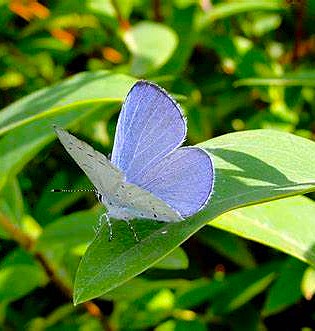
Wildlife Plant of the Month – Holly and mistletoes berries are an important food for winter birds, along with ivy. In addition, holly and ivy are the food plants of the larvae of that little jewel, the holly blue, which can be seen on the wing as early as March and as late as November. The caterpillars of various micromoths also feed on Holly and mistletoe.